





Jun 05 Leaders Rising Right now not waiting for Certainty
Most leaders are still trying to manage uncertainty as if it were temporary, but it is not.
Ambiguity is now the operating environment, and the leaders rising fastest understand what many executives still resist: waiting for certainty has become a liability.
The Perfect Ambiguity Storm
Organizations are navigating what I call the perfect ambiguity storm. Economic pressure. AI disruption. Geopolitical instability. Downsizing. Shifting customer expectations. Entire industries are being forced to reinvent themselves in real time. Most leaders are exhausted by it, while the strongest are energized. That is the divide unfolding within organizations right now.
According to PwC, nearly 60% of CEOs believe their companies will not remain economically viable over the next decade if they continue on their current path. McKinsey research also shows that organizations that act decisively during disruption consistently outperform slower-moving competitors in growth and market share.
The future will not belong to leaders who wait for perfect conditions before acting. It will belong to leaders who create momentum while everyone else is still waiting for clarity. Consider Walmart. A growing share of its profit now comes from businesses that barely existed a decade ago, such as retail media, memberships, and marketplace operations. For a company built on physical stores, that’s more than growth. It’s proof that organizations willing to reinvent themselves before disruption forces them to often outpace the competition.
What separates the leaders who thrive amid uncertainty from those who struggle is not intelligence, experience, or even industry expertise. It is their relationship with ambiguity.
Average leaders view uncertainty as a threat to be managed. Strong leaders view it as an opportunity to be leveraged. They understand that periods of disruption often create the greatest opportunities for innovation, market share growth, career advancement, and organizational transformation.
While others wait for stability to return, they are asking different questions. What assumptions should we challenge? What opportunities are emerging that others are missing? What capabilities do we need to build now to stay ahead tomorrow? This is where leadership advantage is created. Not when conditions are easy. Not when the path is obvious. But when leaders can think clearly, act decisively, and instill confidence while everyone around them waits for more certainty.
The organizations pulling ahead today are not operating in easier conditions than their competitors. They simply have leaders who are better equipped to navigate ambiguity, adapt quickly, and move forward even when all the answers are not yet available.
Certainty Addiction Is Slowing Leaders Down
One of the biggest leadership traps today is what I call certainty addiction. Too many executives delay decisions because they seek complete information before acting. They try to eliminate risk before taking action. That approach is increasingly dangerous.
In unstable markets, speed is a form of intelligence. The strongest leaders gather enough information, seek perspectives from trusted people, and then move decisively, not recklessly or in haste, but with responsiveness. They trust their judgment, experience, and ability to pivot if conditions change.
Leadership Velocity Creates Competitive Advantage
Recently, I worked with a leadership team that made a bold decision to move their products online well before many of their competitors were ready to make the shift. At the time, there was uncertainty about technology adoption, customer behavior, and market conditions. Most organizations in their industry hesitated, waiting for greater certainty before making a major move.
This leadership team thought differently. They committed to execution, adapted as conditions evolved, and moved quickly while competitors stalled. The result was transformational. Not only did they outclass their competition, but they also became the number one player in their market and have held that position ever since.
The issue was never a lack of perfect information. The advantage came from what I call leadership velocity, their willingness to move decisively while others were still analyzing.
Organizations do not collapse because of uncertainty. They collapse because of leadership’s hesitation.
The Strategic Agility Gap Is Widening
The strongest leaders are also questioning assumptions more quickly than those around them. Most organizations are still optimizing yesterday’s strategy while the market has already shifted beneath them.
That creates what I call the strategic agility gap, the distance between how fast the environment is changing and how quickly leadership is adapting. Organizations that widen the gap are losing ground faster than they realize.
As I often tell my clients, “What made you valuable yesterday may not keep you valuable tomorrow.” That statement makes some leaders uncomfortable. It should. Organizations that fail to evolve eventually become vulnerable to competitors willing to.
AI Still Requires Humanity
AI is another area where leadership gaps are widening rapidly. Some leaders are outright resisting it, while others are surrendering far too much decision-making to it.
The strongest leaders are doing neither. They are embracing AI as a strategic thought partner and productivity accelerator while recognizing that leadership still requires humanity. Experience, judgment, emotional intelligence, and relationships matter.
Clients still want high-tech and high touch. Employees still want leaders who can build trust, communicate empathetically, and make thoughtful decisions under pressure. As I often say, “AI may boost productivity, but leadership still requires humanity.”
Future-Ready Talent Wins
The same future-focused mindset is evident in how top organizations approach talent. The conversation is no longer about who performs well today. The real question is who will still thrive in three years. That changes everything.
The strongest organizations are building adaptable teams of resilient thinkers, emotionally intelligent communicators, and leaders committed to continuous growth. They are no longer simply filling seats. They are developing future-ready talent.
Many leaders avoid difficult talent conversations because they fear vacancies or short-term disruption. But protecting mediocrity creates what I call the organizational rigidity tax, the hidden cost organizations pay when leaders tolerate people who are no longer equipped for the business’s future.
Succession Planning Is a Leadership Responsibility
The best leaders are approaching succession planning differently. They understand that leadership continuity does not happen naturally. It must be built intentionally. Strong executives recognize that their responsibility is not only to lead successfully today but also to ensure the organization remains strong after they leave.
That means building leadership depth now through strategic exposure, mentoring, stretch assignments, and transferring institutional knowledge before it departs the organization.
As I often tell executive teams, “If your organization depends on a handful of leaders to carry the business, it is more fragile than you think.”
Adaptability Is the New Leadership Advantage
The strongest leaders understand that rigid strategy no longer holds in today’s business environment. Markets shift too quickly. Technology evolves too fast. Customer expectations change overnight. Adaptive strategy endures.
The executives rising now are not necessarily the smartest in the room. They are the most adaptable, the most decisive, and the most future-focused. They act before certainty arrives. They challenge outdated assumptions before disruption forces them to. They create confidence amid uncertainty, while others create hesitation.
Most importantly, they understand that certainty is no longer a prerequisite for leadership. Adaptability is. Remember this. Organizations do not collapse from uncertainty. They collapse from leadership hesitation.
Final Question
Are you building a leadership team prepared for the future, or are you still relying on strategies for a world that no longer exists?
- About the Author
- Latest Posts
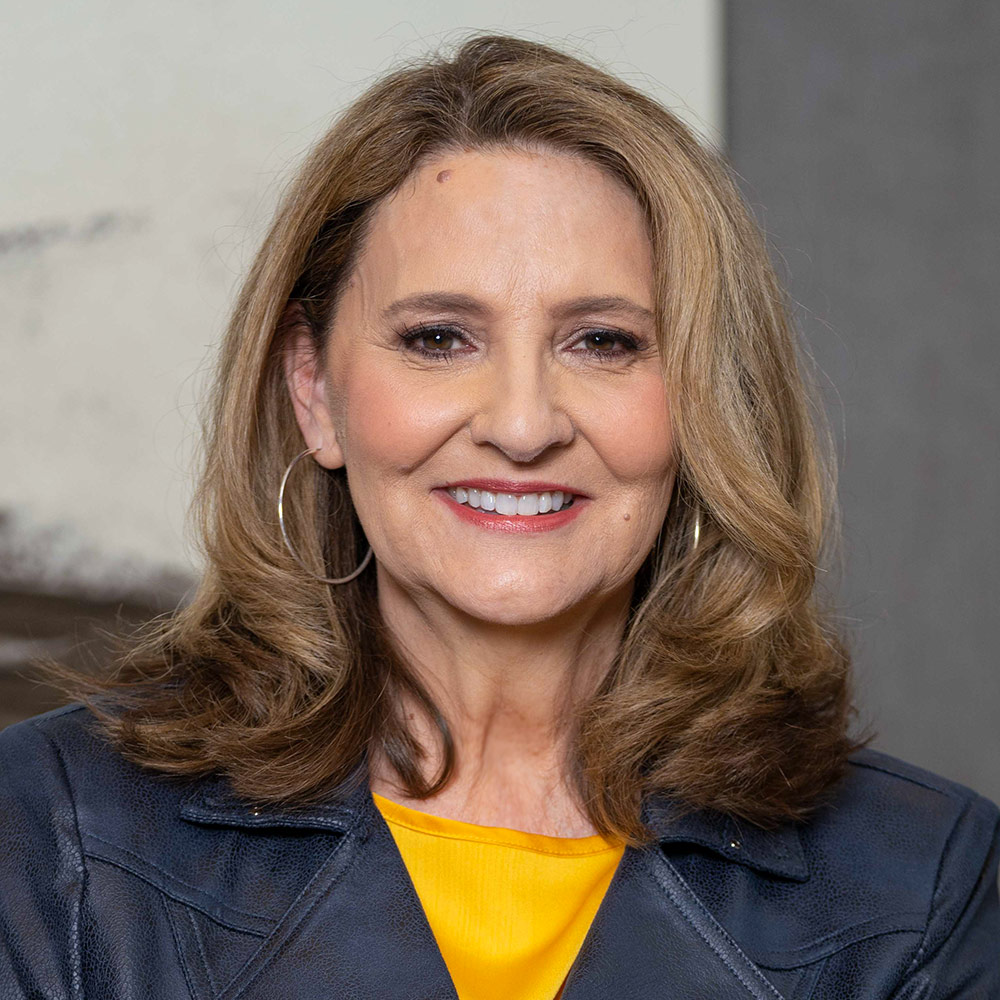
Sarah Hathorn, CEO of Hathorn Consulting Group, is the go-to-expert in working with leaders and companies to create successful corporate DNA. As an executive coach, consultant and speaker she collaborates globally with clients and brands such as Deloitte, McKesson, Kimberly-Clark, Sherwin-Williams, Home Depot and other leading organizations.
Subscribe today to get my newsletter, Corporate DNA™ for leadership articles on how to maximize your talent pipeline, develop & enhance leadership capabilities, inspire and influence to communicate top results and much more.
Sorry, the comment form is closed at this time.