


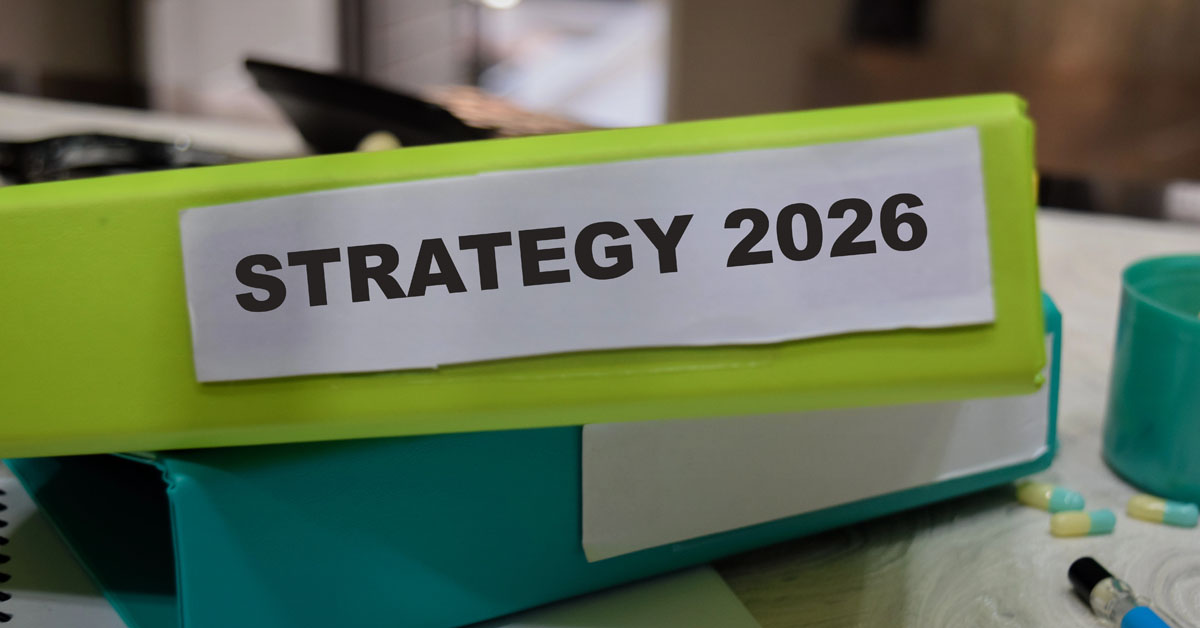
Jan 06 Better Practices for Senior Leadership Teams Who Want 2026 to Actually Matter
2026 will not be different just because the calendar changes.
That belief is comforting, and it is also wrong.
Most senior leadership teams will enter 2026 with the same thinking, assumptions, and decision patterns they carried through 2025. They will call it stability. What it really is is momentum slowing in plain sight.
If nothing changes in how you think and decide at the top, January is just a continuation with a new label.
The Real Constraint Is Not Goals. It Is Thought.
Senior teams do not struggle with ambition. They struggle with perspective.
Planning is not the problem. You already plan, meet, review, track KPIs, and refine strategy.
What planning does not do is challenge the belief systems that drive your decisions. It organizes existing thinking. It rarely expands it.
I’ve found over the years of working with senior teams that existing thinking, even successful thinking, eventually becomes a ceiling.
Five Patterns That Quietly Limit Senior Leadership Teams
These patterns show up consistently at the top of organizations.
- Optimizing execution while leaving assumptions untouched
Teams work harder on tactics without questioning the beliefs that shape those tactics. Enterprise growth does not come from that. - Letting last year quietly define next year
Missed targets, political scars, or stalled initiatives create invisible limits. Ambition shrinks without anyone naming it. - Confusing experience with objectivity
“We’ve seen this before” feels safe. It is often the fastest way to miss what is changing. - Mistaking agreement for alignment
Everyone nods. No one challenges. The real conversation never happens, and innovation stalls politely. - Believing strong teams can self-correct indefinitely
They cannot. Blind spots do not disappear through intelligence or tenure.
Better Practices That Actually Change Outcomes
Not best practices. Better ones.
- Treat 2025 as data, not destiny
Learn from it. Do not let it define what is possible. - Narrow enterprise priorities aggressively
Only three objectives that truly matter. Trade-offs are not optional at this level. It’s better to move 3 things a mile, than 10 things an inch! - Pressure-test thinking, not just plans
Challenge assumptions. Invite dissent. Explore options that feel uncomfortable. - Design productive disruption
You do not need more meetings. You need braver conversations at the top. - Stop trying to do it alone
Independence is not a sign of strength in senior leadership teams. Over time, it becomes isolation.
The Hidden Cost of Avoiding Outside Perspective
Here is what I see when senior teams insist on figuring everything out themselves.
They do not grow as rapidly as they could. Not because they lack talent or experience, but because no one is challenging the thinking and belief systems that drive their decisions.
Internal conversations remain polite.
Assumptions go untested.
Blind spots remain invisible.
Accountability also weakens.
Not because leaders do not care, but because they fear losing people or lack the language to persuade and hold others accountable without triggering resistance. So conversations get softened. Decisions get delayed. Tolerances widen. Momentum erodes quietly.
An experienced outside corporate advisor changes this dynamic. Not by giving answers, but by expanding thinking, challenging belief systems, and helping leaders see options they had not considered and by giving them the language to hold one another accountable without burning trust.
The senior teams I coach and facilitate advance faster than those who believe they already know how to do everything on their own.
They do not become harsher. They become clearer. And clarity drives results.
The Real Choice for 2026
A Clear Next Step
If this article sparks conversations your leadership team has been avoiding, that is not accidental.
The senior teams I work with do not come to be “fixed.” They are wickedly smart and want to hear from a senior leader who worked at a Fortune 100 firm about bigger, more expansive thinking. They come because they want sharper thinking, stronger accountability, and faster organizational results.
If you are a senior leadership team preparing for 2026 and want an external corporate advisor to challenge your thinking, belief systems, and decision-making patterns, the next step is a private conversation. Not to sell you anything. To determine whether working together would materially change your results.
If you want to explore whether that would make a material difference for your team, let’s talk.
- About the Author
- Latest Posts

Sarah Hathorn, CEO of Hathorn Consulting Group, is the go-to-expert in working with leaders and companies to create successful corporate DNA. As an executive coach, consultant and speaker she collaborates globally with clients and brands such as Deloitte, McKesson, Kimberly-Clark, Sherwin-Williams, Home Depot and other leading organizations.
Subscribe today to get my newsletter, Corporate DNA™ for leadership articles on how to maximize your talent pipeline, develop & enhance leadership capabilities, inspire and influence to communicate top results and much more.
Sorry, the comment form is closed at this time.